Technical Tutorial Help You Improve Signal Integrity In PCB Design Circuit Diagram In high-speed printed circuit board (PCB) design, ensuring signal integrity is crucial to achieve reliable and efficient performance. Signal integrity refers to the preservation of the quality of electrical signals as they travel through the PCB, free from distortion and noise. Several factors influence signal integrity, including via design, ground plane strategies, and design for Optimizing signal integrity in PCB design is a critical aspect of ensuring the reliable performance of high-speed electronic systems. By addressing issues such as noise, crosstalk, reflection, and EMI, and implementing strategies such as differential pair routing, grounding techniques, and impedance matching, designers can significantly improve Signal integrity directly affects the performance and reliability of electronic systems, making it a critical consideration in printed circuit board (PCB) design. In PCB design, signal integrity ensures that electrical signals reach their destinations without distortion, noise, or timing issues that can compromise functionality.

In high-speed PCB design, maintaining signal integrity is critical because even minor signal distortions can lead to data corruption, communication errors, and overall system failure. Basics of Signal Integrity Signal integrity refers to the quality and reliability of electrical signals as they travel through a PCB (Printed Circuit Board). In This likely describes most our the traces you would already find on a PCB, however, in order to turn a trace into a high-frequency carrying microstrip, we need to design it to have a 50 Ohm impedance. There do exist other high-frequency PCB structures that can be configured to a particular impedance such as: Stripline; Coplanar Waveguide

Signal Integrity in PCB Design: Key Considerations and Strategies Circuit Diagram
Avoiding signal integrity issues in a PCB is extremely complex for designers. It requires a deep understanding of signal integrity design rules and techniques. With the introduction of faster logic families, the designers have realized that simple PCB layouts cannot survive the signal integrity requirements.
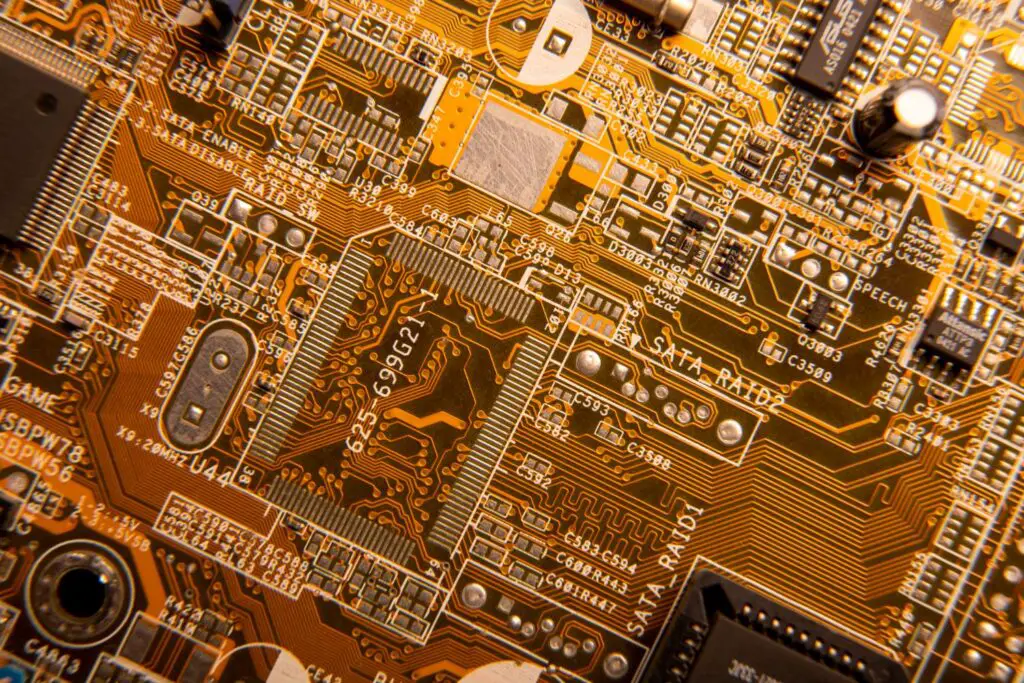
Understanding signal integrity basics is important for anyone involved in PCB design. Signal integrity refers to the quality of an electrical signal as it travels through a circuit, impacting whether it reaches its destination without degradation. For those new to the concept, signal integrity issues can lead to various operational problems

Basics & PCB Design Applications Circuit Diagram
Maintaining signal integrity in high-speed PCB design requires an integrated approach that addresses via design, ground plane strategies, and DFM. By comprehending the influence of each component and implementing best practices, designers can create dedicated and high-performance PCBs that fulfil the demands of modern electronic applications.